
A Practical Guide to Reduce or Remove Geosmin Risk from Grain in the Supply Chain
Webinar Summary
Geosmin, a bicyclic sesquiterpene produced by diverse microorganisms, is a well‑known off‑flavor compound impacting a wide range of foods and beverages. Humans detect geosmin at extremely low concentrations (50–150 ppt), making it a critical quality concern in products such as beets, grapes, fish, drinking water, and alcoholic beverages. In fermented and distilled beverages, geosmin is a primary off‑odor responsible for significant economic losses despite posing no health risk.
Historically, geosmin contamination in distillation has been attributed primarily to water sources; however, this study identifies grain quality as a dominant and previously underrecognized contributor. We demonstrate that geosmin contamination in bourbon is strongly associated with poor grain handling, drying, and storage practices, including insufficient or uneven drying, accumulation of broken kernels and foreign material, and water intrusion in storage bins. While modern hybrid yellow dent corn showed no evidence of field‑level geosmin accumulation, open‑pollinated and heirloom varieties did exhibit contamination. Experimental spiking confirmed that geosmin present in grain is quantitatively transferred through mashing and distillation into the final distillate, likely due to its relatively high boiling point. Localized microbial growth driven by water ingress in storage bins was identified as the most controllable risk factor.
Collectively, these findings establish grain storage and handling as critical control points for mitigating geosmin contamination in distillery operations and provide a basis for implementing targeted best practices across the grain supply chain.
Learning Objectives
After this webinar, attendees will be able to:
- describe geosmin
- know practical ways to reduce risks for geosmin introduction via the supply chain
- apply grain bin auditing
- describe levels of detection
About the Presenter
Moderator: Reade Huddleston | Monster Brewing Company
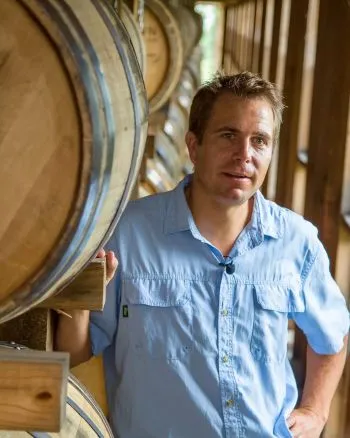
Seth DeBolt
University of Kentucky
Dr. DeBolt is a Professor at the University of Kentucky and Director of the James B Beam Institute. As a graduate student specializing in wine, he divided his time between the University of Adelaide and the University of California, Davis. With both institutions based in prominent wine-growing regions, he was able to conduct groundbreaking research, discovering the tartaric acid pathway in wine grapes. Over the past 20 years in Kentucky, Dr. DeBolt has published over 100 peer reviewed journal articles and collaborated on a variety of projects across campus and within the spirits industry focusing on bourbon whiskey production, flavor and quality.