
ASBC Methods of Analysis
ASBC Methods of Analysis brings rigorous technical consistency to the brewing and fermented beverage industries.
ASBC is dedicated to ensuring the highest quality, consistency, and safety of malt-based beverages and their ingredients. Our methods are designed to help users understand and perform analytical methods better and more quickly.
Methods Tip: Look for the "Master the Method" button to access additional information about a method, including: Safety, Scientific Background, Tips and Tricks, and Resources.
New From ASBC!
Sensory Analysis Method 20: Hop Sensory Evaluation Method for Detection of Smoke Taint
Wildfires can degrade the quality of hops grown in affected regions. Using this new method, a trained sensory panel can screen hop material for smoke taint. This simple test is suitable for suppliers and breweries of all sizes in evaluating hop quality.
Need Access? ASBC Members get free access to Methods and much more.
See all of our member benefits and join today!
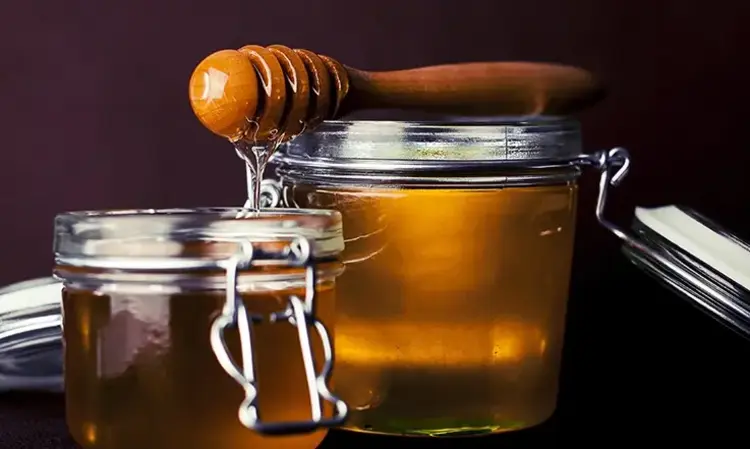
Adjunct Materials Methods
Adjunct materials are grains, sugars, and syrups that increase fermentability and add versatility to your formulations.
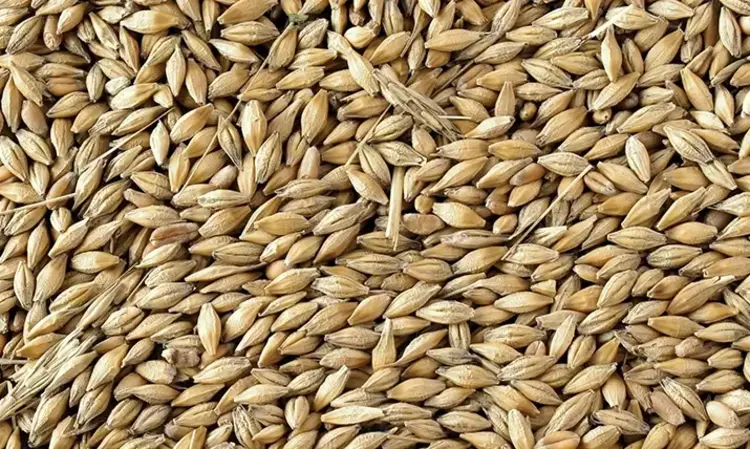
Barley Methods
Barley quality is the foundation for great beer, driving how effectively it malts and converts to fermentable sugars, ultimately shaping flavor, clarity, and consistency.
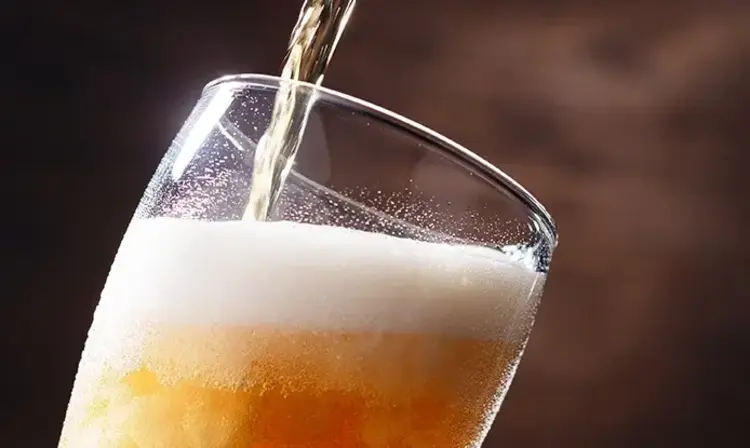
Beer Methods
ASBC Beer Methods are the core of brewing excellence, offering precise, standardized measurements that ensure quality, consistency, and confident decision-making.
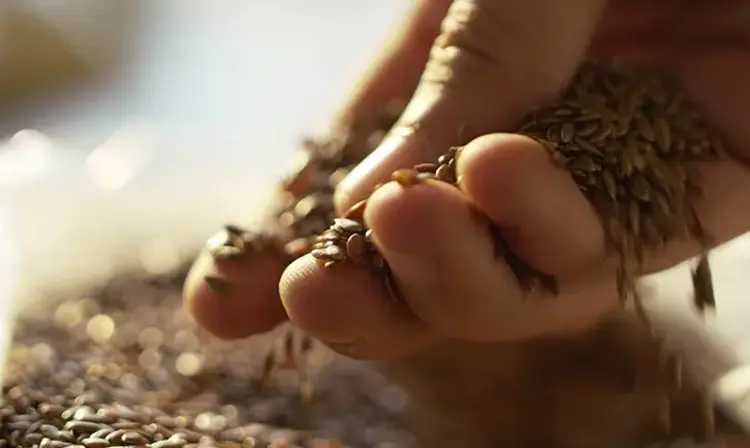
Brewers' Grains Methods
Analysis of brewer’s grains—the solid by-product left after mashing—reveals how efficiently sugars were extracted and starches converted.
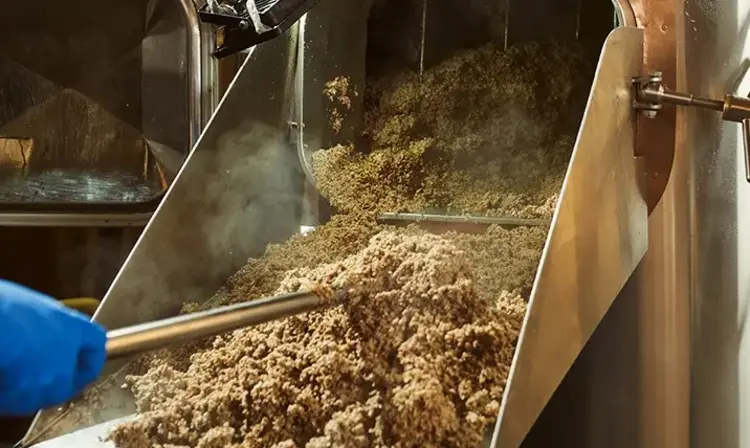
By-Products Methods
By-products recovered from grain handling can be sold as animal feed. Analysis of their quality indicates their potential value.

Distilled Spirits Methods
The Distilled Spirits Methods Chapter has been developed to help distilled beverage producers, laboratories, researchers, and other users identify existing ASBC Methods of Analysis that may be relevant to distilled spirits and distilled spirits products from which alcohol has been removed.
Filter Aids Methods
Filter aids are materials used during beer filtration to improve clarification efficiency, increase throughput, and protect equipment.
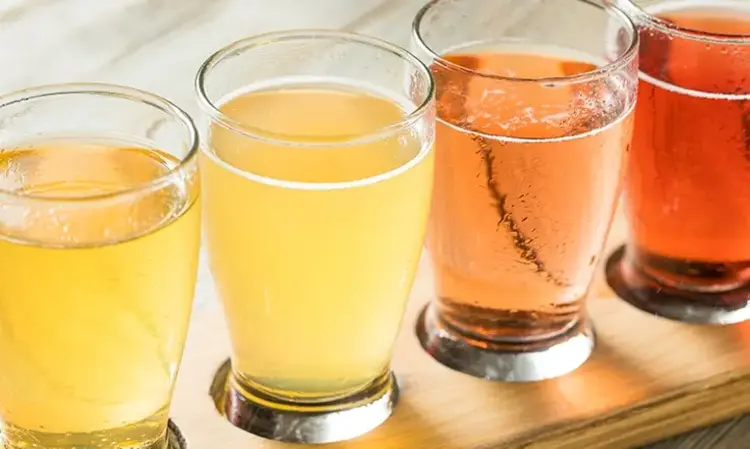
Flavored Alcohol Beverages
Flavored Alcohol Beverages (FABs) are malt-based alcoholic beverages where added flavors and non-beverage alcohol ingredients contribute no more than 49% of total alcohol content.
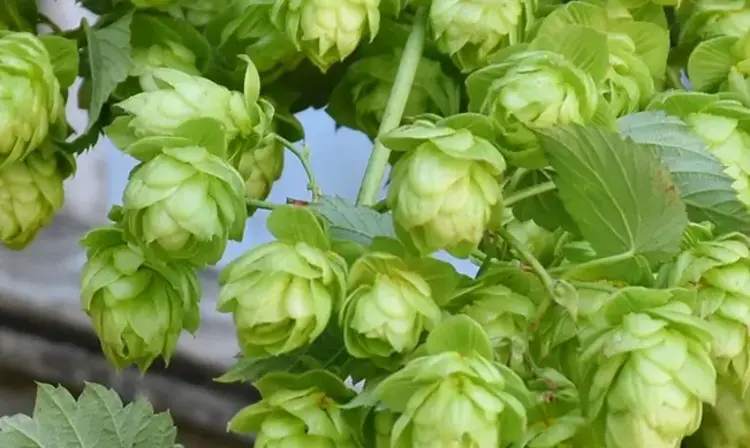
Hops Methods
Hop quality analysis ensures consistent, reliable measurements and facilitates informed decisions that maintain product quality.
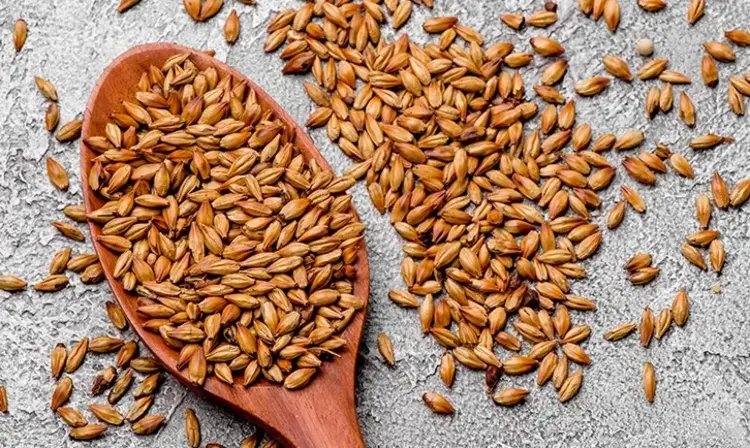
Malt Methods
Malt is the backbone of brewing, delivering fermentable sugars and impacting the characteristics of finished beer, as well as brewhouse efficiency.
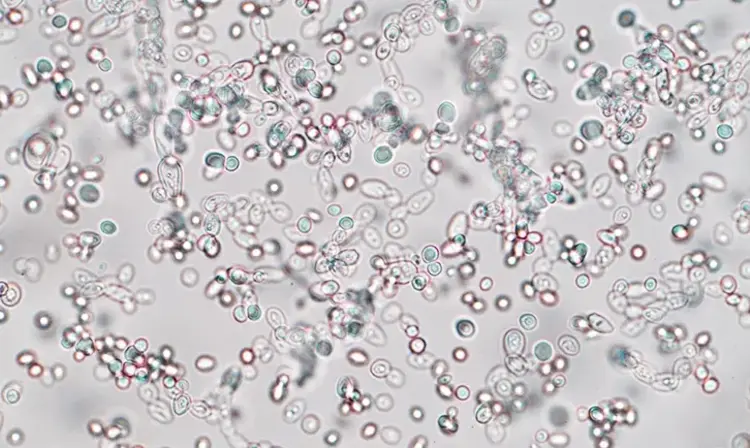
Microbiology Methods
Microbiology methods are your quality safeguard, tracking yeast health and detecting contaminants to ensure consistency, purity, and control across your operation.
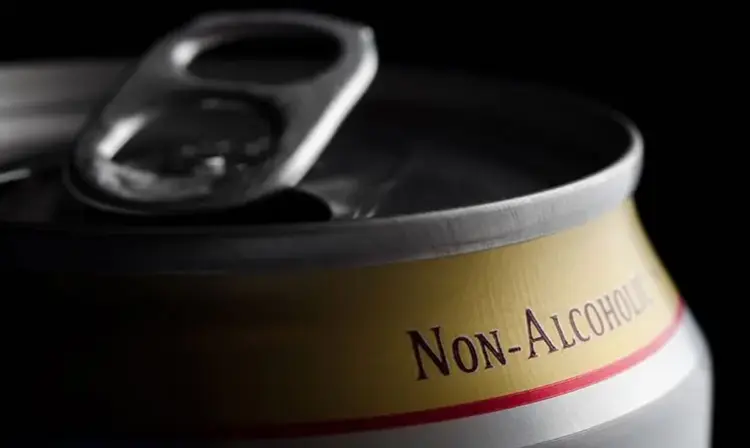
NA Beer / Low Alcohol Beer / 0.0 Beer Methods
The NA Beer / Low Alcohol Beer / 0.0 Beer Methods Chapter has been developed to help users identify existing ASBC Methods of Analysis that may be relevant to beer classified as non-alcoholic, low alcohol, or 0.0.
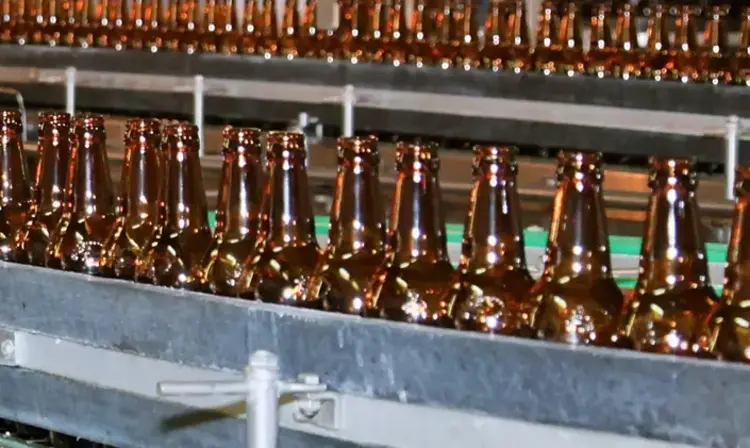
Packaging Methods
Packaging is the final step in product quality and safety. Proper sealing ensures shelf life, brand reputation, and regulatory compliance.

Sensory Analysis Methods
Sensory analysis of finished products, raw materials, and in-process samples by trained assessors provides actionable insight for quality control and product development.

Statistical Analysis
Reliable statistical analysis is built on a rigorous, collaborative process of review and interlaboratory testing that evaluates methods for sensitivity, precision, and practical application.
Wort Methods
Wort quality is a key factor in process control, reliable fermentation, and predictable product outcomes.